
Today’s Menu (30-second skim)
- Scammers are using texts, calls, and social media ads to reach people wherever they are: Scammers are chasing people across texts, calls, and social apps so they can pressure you before you slow down and check.
- Adidas says customer data was exposed through a customer service provider: Even without passwords or card numbers, exposed customer details can fuel fake refund and support scams that feel real.
- Coinbase says criminals stole customer data and used it for social engineering: When crooks know your account details, they can call or email sounding helpful while trying to trick you into giving them access.
1) Scammers are using texts, calls, and social media ads to reach people wherever they are
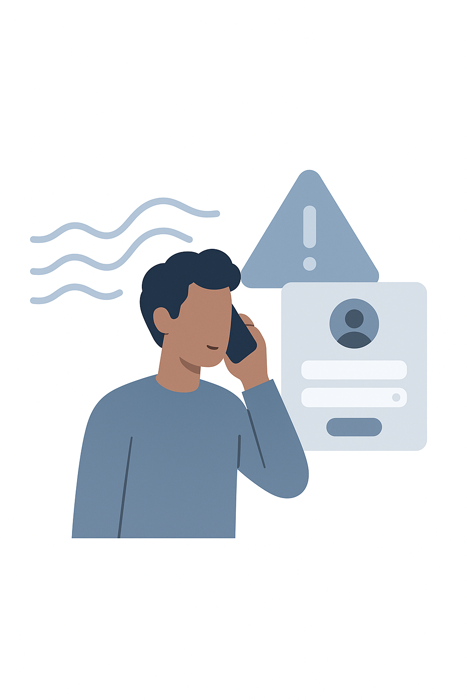
What happened (plain English): The Federal Trade Commission says scams now often start in the places people use every day. That can be a text message, a phone call, or a message or ad on social media. The goal is simple: catch you in a hurry and get you to click, reply, or pay before you think it through. Many of these messages pretend to be from a bank, a business, the government, or even a romantic interest. The trick is not fancy hacking. It is plain old manipulation delivered through familiar apps and devices.
Why it matters to you: A scammer does not need to break into your phone if they can talk you into opening the door for them. One message about a prize, unpaid bill, or account problem can lead to a second scam that sounds even more believable. For example, someone might reply to a fake bank text and then get a phone call from a fake “fraud department” asking for a one-time code. Or a family member might click a fake delivery link, then get pushed into paying a bogus “fee” to release a package that never existed.
How to protect yourself (do this):
- Do not trust a message just because it reached you on a familiar app.
- Never use the phone number or link inside a surprise message. Look up the company yourself and contact it that way.
- If a message wants money, a login, or a one-time code right now, stop and check with someone you trust first.
Published: 2026-05-21
Source: FTC
2) Adidas says customer data was exposed through a customer service provider
What happened (plain English): Adidas said an outside party got some customer information through a customer service provider. The company said the exposed data did not include passwords or credit card details. Adidas also said the affected people were customers who had contacted customer service before. That means the stolen information may include the kind of personal details that make a message feel familiar. Even when the most sensitive numbers are not taken, criminals can still use what they learn to build a convincing story.
Why it matters to you: Breaches like this often turn into follow-up scams instead of instant account theft. If a crook knows you have shopped with a brand before, they can send a fake refund email or a fake order problem text that feels real. One common scenario is a message saying your recent order has an issue and you need to log in through a provided link. Another is a fake customer support call offering a discount or refund while trying to collect more personal details.
How to protect yourself (do this):
- Be extra suspicious of emails or texts claiming to be from Adidas or any store after a breach notice.
- Do not click account-fix or refund links in messages. Open the store app or website yourself instead.
- Use strong unique passwords for shopping accounts and turn on two-factor authentication where available.
Published: 2025-05-23
Source: Reuters
3) Coinbase says criminals stole customer data and used it for social engineering
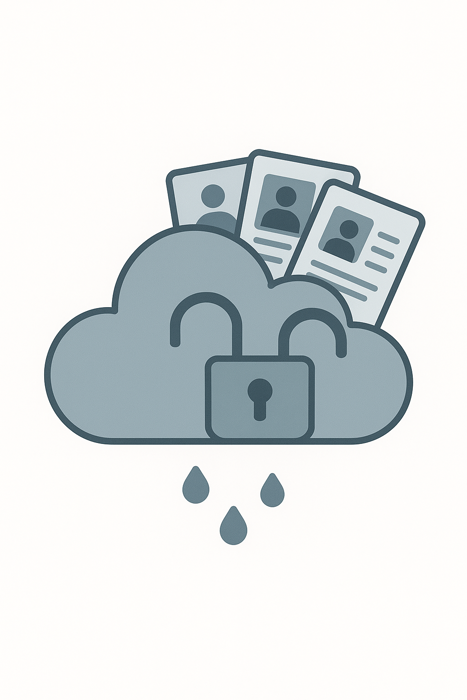
What happened (plain English): Coinbase said criminals stole data from a small group of customer accounts and then tried to extort the company. Reports said the attackers bribed overseas support workers to get access to customer information. That matters because support records can contain details that make a scam sound personal and urgent. A criminal who knows parts of your account history can sound much more believable on the phone or by email. This type of crime is called social engineering because the crook is trying to manipulate the person, not just the technology.
Why it matters to you: This is how online breaches become real-world fraud very quickly. A scammer can call and say your account is in danger, mention details that sound correct, and then pressure you to act fast. One realistic scenario is a fake security call asking for a one-time login code to “lock” your account. Another is an email telling you to move your money to a so-called safe account, which is really the thief’s account.
How to protect yourself (do this):
- Never give a one-time code or recovery phrase to anyone who contacts you first.
- Hang up on surprise account-security calls and contact the company from its official app or website.
- If you have money in financial apps, turn on the strongest security options they offer and watch for unusual login alerts.
Published: 2025-05-15
Source: Reuters
Grandma’s Firewall

This week’s simple rule:
If a message says there is a problem with your account, order, or money, do not use the link or number in the message. Go to the company yourself.
Two scripts you can steal:
- “I’m not using the link in this message. I’ll open the app or call the number from the official website myself.”
- “If this is real, it can wait five minutes while I verify it another way.”
![Human In[Security] Die-cut stickers](https://humaninsecurity.com/wp-content/uploads/2026/01/die-cut-stickers-satin-6x6-front-697d1d26150e0-300x300.jpg)
![Human Network In[]Security Cotton Heritage MC1082 I Men's Premium Short Sleeve Tee](https://humaninsecurity.com/wp-content/uploads/2026/01/cotton-heritage-mc1082-i-mens-premium-short-sleeve-tee-vintage-white-front-697d1df2a58b4-300x300.jpg)
![Official Human In[Security] Unisex Hoodie](https://humaninsecurity.com/wp-content/uploads/2026/01/cotton-heritage-m2580-i-unisex-premium-pullover-hoodie-carolina-blue-front-697d24c26e85b-300x300.jpg)