
Today’s Menu (30-second skim)
- That cheap TV streaming stick might be working for scammers: Some cheap streaming devices may secretly run ad fraud and use your home internet without your permission.
- CareCloud breach exposed medical and identity data: A major health-data breach exposed personal, financial, and medical details that criminals can use for identity theft.
- Scammers are pretending to help veterans file for benefits: Fraudsters are posing as VA helpers and charging people for benefits help that should be free.
1) That cheap TV streaming stick might be working for scammers
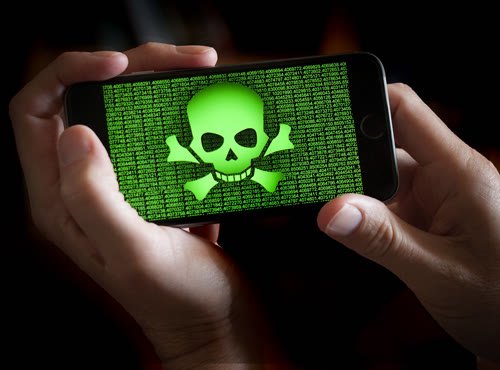
What happened (plain English): Researchers found that some very cheap TV streaming sticks and boxes were doing more than playing shows. In some cases, the devices were secretly acting like phones and clicking on ads in the background. That can help scammers make money from fake ad traffic while the owner has no idea it is happening. The report also said some of these devices were sending information back to outside servers. On top of that, they were using the owner’s internet connection without clear permission.
Why it matters to you: A cheap gadget can quietly turn your home internet into part of somebody else’s scam. If a device starts off shady, it may also be less safe around your other devices, accounts, and private information. One realistic problem is that it could slow your internet or rack up suspicious activity on your network. Another is that a bad device could open the door to more spying, more scams, or more unwanted software in your home.
How to protect yourself (do this):
- Skip streaming devices that promise free premium channels for one low price.
- Buy TV and streaming gear from known brands and trusted stores.
- If you already bought a sketchy device, unplug it, change your Wi-Fi password, and reconnect only devices you trust.
Published: 2026-07-30
Source: KrebsOnSecurity
2) CareCloud breach exposed medical and identity data
What happened (plain English): Health-tech company CareCloud said hackers stole patient data and is now notifying hundreds of thousands of people. TechCrunch reported that at least 345,000 people are affected so far, and that total could rise. The stolen data included names, addresses, Social Security numbers, ID numbers, payment details, and medical information. That is a serious mix because it gives criminals both identity details and sensitive health records. People may first hear about it through a breach notice in the mail or by email.
Why it matters to you: When crooks get medical information plus identity and payment details, they can do real damage. One realistic scam is fake medical billing, where someone uses your information to create charges or claims you do not recognize. Another is a follow-up phishing call, text, or email that pretends to help you fix the breach while really trying to steal even more information. If your Social Security number was included, the risk can last for a long time.
How to protect yourself (do this):
- If you get a breach notice, read it carefully and use any free credit monitoring or identity protection it offers.
- Freeze your credit if your Social Security number or other ID numbers may have been exposed.
- Watch your bank statements, insurance paperwork, and medical bills for charges or claims you do not recognize.
Published: 2026-07-30
Source: TechCrunch
3) Scammers are pretending to help veterans file for benefits
What happened (plain English): The FTC warned that scammers are reaching out and pretending to be from the Department of Veterans Affairs or approved by it. They contact people by phone, text, email, and social media. Then they offer to help with VA benefits applications for a fee. The FTC says the VA does not charge people to apply for benefits. It also says accredited help should not cost money either.
Why it matters to you: This scam hits people at stressful moments, especially veterans and families trying to get help fast. One realistic problem is paying a fake helper for something that should be free. Another is handing over service history, account details, or identity information that can later be used in more fraud. A message can sound official and still be fake, especially when it creates pressure or urgency.
How to protect yourself (do this):
- Apply through VA.gov or get help from a recognized Veterans Service Organization.
- Ignore surprise messages offering paid help with benefits, even if they sound official.
- If someone pressures you for money or personal details, stop and report it at ReportFraud.ftc.gov.
Published: 2026-07-27
Source: FTC Consumer Advice
Grandma’s Firewall

This week’s simple rule:
Before you plug it in, pay it, or trust it, make sure it came from the real company or agency using contact information you found yourself.
Two scripts you can steal:
- I don’t use surprise links, surprise callers, or surprise gadgets for important things. I’ll contact the real company or agency myself.
- Before I pay, log in, or plug this device into my home, I’m going to verify it with the official website or a person I trust.
![Human In[Security] Die-cut stickers](https://humaninsecurity.com/wp-content/uploads/2026/01/die-cut-stickers-satin-6x6-front-697d1d26150e0-300x300.jpg)
![Human Network In[]Security Cotton Heritage MC1082 I Men's Premium Short Sleeve Tee](https://humaninsecurity.com/wp-content/uploads/2026/01/cotton-heritage-mc1082-i-mens-premium-short-sleeve-tee-vintage-white-front-697d1df2a58b4-300x300.jpg)
![Official Human In[Security] Unisex Hoodie](https://humaninsecurity.com/wp-content/uploads/2026/01/cotton-heritage-m2580-i-unisex-premium-pullover-hoodie-carolina-blue-front-697d24c26e85b-300x300.jpg)