
Today’s Menu (30-second skim)
- Millions of patients had medical records stolen in CareCloud breach: A huge medical data breach exposed private health and identity details that scammers can use for fraud.
- Apple users report an unusually large wave of spyware warnings: More iPhone users than usual got serious spyware alerts, and scammers may try to exploit the panic.
- Leaked customer lists put crypto wallet buyers at risk in the real world: Stolen customer lists can put people at risk of targeted scams, threats, and even danger at home.
1) Millions of patients had medical records stolen in CareCloud breach
What happened (plain English): CareCloud said hackers stole personal and medical information belonging to more than 3.75 million people. The company helps store records and billing data for hospitals, doctors’ offices, and medical practices. The stolen files included names, addresses, Social Security numbers, health details, ID numbers, and in some cases banking or financial information. That means this was not just a basic email leak. It exposed the kind of information criminals can use for many different scams.
Why it matters to you: Medical data is especially valuable to crooks because it can help them commit identity theft, send fake bills, or make scam calls sound real. A caller who knows your doctor, insurer, or part of your health history can sound much more believable. One common abuse scenario is fake medical billing, where someone tries to collect money for care you never received. Another is tax or identity fraud using your Social Security number and other personal details.
How to protect yourself (do this):
- Watch for surprise bills, insurance claims, or medical notices you do not recognize.
- Freeze your credit if you are affected, and consider placing fraud alerts with the credit bureaus.
- Be extra suspicious of calls, texts, or emails claiming to help with this breach; go to your provider or insurer directly instead of using the message link.
Published: 2026-08-19
Source: TechCrunch
2) Apple users report an unusually large wave of spyware warnings
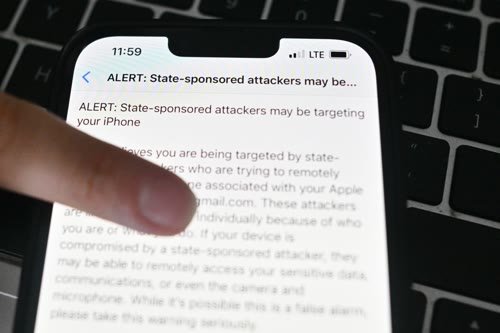
What happened (plain English): Security experts said an unusually high number of people recently reported getting Apple’s warning that their devices may have been targeted by spyware. Apple sent this latest batch of alerts to users in 110 countries. Groups that help spyware victims said requests for help jumped about 30% to 40% above normal after the alerts went out. Spyware is much more serious than ordinary junk software. It can secretly watch what someone does on their phone.
Why it matters to you: If spyware gets onto a phone, it may expose messages, calls, photos, location, and other private information. Even people who never receive a real warning can still get targeted by copycat scams pretending to be Apple support. One realistic abuse scenario is a fake text or email telling you to call a number right away about your iPhone. Another is a phony support person asking for passwords or verification codes so they can take over your account.
How to protect yourself (do this):
- If you get a warning, do not panic and do not call a phone number from a pop-up, text, or email.
- Go straight to Apple’s official support pages or a trusted local expert you chose yourself.
- Turn on automatic updates, use a strong device passcode, and be careful with unexpected links, attachments, and profile-install prompts.
Published: 2026-08-17
Source: TechCrunch
3) Leaked customer lists put crypto wallet buyers at risk in the real world

What happened (plain English): Data breaches at shipping partners exposed customer names, home addresses, phone numbers, and email addresses linked to hardware crypto wallet orders. The wallets themselves were not remotely hacked in these cases. The danger came from the stolen customer lists that told criminals who bought them and where they live. Researchers warned that these lists can be used for targeted phishing, threats, or attempts to pressure victims into handing over recovery phrases. In other words, the shopping data became the real weapon.
Why it matters to you: This shows that even if your password was not stolen, a customer list can still create real danger. Criminals can use purchase details to send convincing fake delivery texts or urgent account alerts. One abuse scenario is a scammer pretending to be support and asking for a recovery phrase to “secure” your wallet. Another is a threat or extortion attempt aimed at someone believed to own valuable assets at home.
How to protect yourself (do this):
- Never share a wallet recovery phrase, backup phrase, or private key with anyone, even if they claim to be support.
- Treat unexpected delivery messages, account warnings, or urgent calls as suspicious if they mention a recent order.
- Where possible, reduce the personal information attached to high-value purchases and use extra account security like app-based two-factor authentication.
Published: 2026-08-17
Source: TechCrunch
Grandma’s Firewall

This week’s simple rule: A message that knows something about you is not automatically real. Stolen details are exactly what crooks use to sound convincing.
Two scripts you can steal:
- “I’m not going to use the link or number in this message. I’ll open the real app or call the official number myself.”
- “If this is important, mail me a notice or leave it in my real account. I never give passwords, codes, or recovery phrases to someone who contacted me first.”
![Human In[Security] Die-cut stickers](https://humaninsecurity.com/wp-content/uploads/2026/01/die-cut-stickers-satin-6x6-front-697d1d26150e0-300x300.jpg)
![Human Network In[]Security Cotton Heritage MC1082 I Men's Premium Short Sleeve Tee](https://humaninsecurity.com/wp-content/uploads/2026/01/cotton-heritage-mc1082-i-mens-premium-short-sleeve-tee-vintage-white-front-697d1df2a58b4-300x300.jpg)
![Official Human In[Security] Unisex Hoodie](https://humaninsecurity.com/wp-content/uploads/2026/01/cotton-heritage-m2580-i-unisex-premium-pullover-hoodie-carolina-blue-front-697d24c26e85b-300x300.jpg)