
Today’s Menu (30-second skim)
- ASOS shoppers got a real hacker message inside the official app: A trusted shopping app sent an attacker’s warning, which makes follow-up scams feel much more believable.
- Georgia Power and Alabama Power say about 400,000 utility accounts were accessed: Utility account details can help scammers make fake shutoff threats sound personal and urgent.
- Arizona court hackers stole records tied to fines, fees, and restitution: Old court debt records with Social Security numbers can fuel identity theft and fake collection calls.
1) ASOS shoppers got a real hacker message inside the official app

What happened (plain English): ASOS customers got unauthorized push alerts from inside the real ASOS app. The message said hackers had broken into company data and threatened to leak it. ASOS said the problem came from a third-party customer communication platform that someone accessed without permission. The company said basic customer contact information may have been exposed. That means this was not just a random spam text: it came through a channel many shoppers already trust.
Why it matters to you: People tend to believe messages that appear inside an app they already installed. A criminal could use this moment to send fake ASOS support emails that say you need to reset your password right now. Another scam could promise a refund, then ask for your card number or bank login on a fake page. The scary alert is the hook, and the follow-up message is where the real damage can happen.
How to protect yourself (do this):
- Do not click links inside scary surprise alerts, even if they appear in a real app.
- Open the company’s website or app yourself and look for a notice there.
- If you reused your ASOS password anywhere else, change those passwords too.
Published: 2026-10-07
Source: SecurityWeek
2) Georgia Power and Alabama Power say about 400,000 utility accounts were accessed
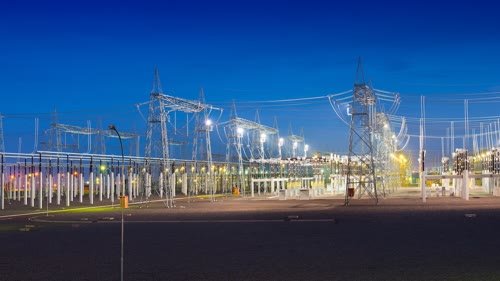
What happened (plain English): Southern Company said someone got into customer account information through an online customer portal. The company said the breach affected about 300,000 Georgia Power accounts and 100,000 Alabama Power accounts. The exposed information may include names, mailing addresses, phone numbers, emails, the last four digits of Social Security numbers, and basic account details. The company said bank account numbers, payment card numbers, and driver’s license numbers were not accessed. Even so, the exposed details are enough to make a scammer sound like they know you.
Why it matters to you: Utility scams work because nobody wants the lights turned off. A caller who knows your name, power company, and some account details can sound official while demanding immediate payment. One common trick is to say your power will be shut off in 30 minutes unless you pay with a gift card, payment app, wire transfer, or crypto. Real utilities do not need you to panic-pay through strange methods.
How to protect yourself (do this):
- If someone calls about your utility bill, hang up and call the number printed on your bill or listed on the official website.
- Never pay a surprise utility demand with gift cards, crypto, wire transfer, or payment apps.
- Turn on account alerts if your utility offers them.
Published: 2026-10-07
Source: SecurityWeek
3) Arizona court hackers stole records tied to fines, fees, and restitution

What happened (plain English): Arizona court officials said hackers accessed and copied backup court files. The records were tied to the state’s Fines/Fees and Restitution Enforcement program. Officials said the stolen data goes back about 30 years. The files include names, Social Security numbers, and case numbers for about 1.3 million people. That kind of information can stay useful to criminals for a long time, even if the court case is old.
Why it matters to you: Court and debt records can make a fake collection call feel very real. A scammer could claim to be from the court, mention an old case number, and demand money before an arrest, fee, or license problem happens. Another scammer could use the Social Security number for identity theft, such as trying to open accounts or pass security questions. Old records can still create new problems.
How to protect yourself (do this):
- Do not pay a court fine from a surprise call, text, or email link.
- Look up the court’s phone number yourself and confirm any balance directly.
- Consider freezing your credit if your Social Security number may have been exposed.
Published: 2026-10-07
Source: The Record
Grandma’s Firewall

This week’s simple rule:
When a scary message names a real company, court, or utility, treat it like a smoke alarm: stop, step away, and verify through a phone number or website you find yourself.
Two scripts you can steal:
- I’m not handling this from a message. I’m going to open the real website or call the number on my bill.
- If this is real, it will still be real after I hang up and verify it myself.
![Human In[Security] Die-cut stickers](https://humaninsecurity.com/wp-content/uploads/2026/01/die-cut-stickers-satin-6x6-front-697d1d26150e0-300x300.jpg)
![Human Network In[]Security Cotton Heritage MC1082 I Men's Premium Short Sleeve Tee](https://humaninsecurity.com/wp-content/uploads/2026/01/cotton-heritage-mc1082-i-mens-premium-short-sleeve-tee-vintage-white-front-697d1df2a58b4-300x300.jpg)
![Official Human In[Security] Unisex Hoodie](https://humaninsecurity.com/wp-content/uploads/2026/01/cotton-heritage-m2580-i-unisex-premium-pullover-hoodie-carolina-blue-front-697d24c26e85b-300x300.jpg)