
Today’s Menu (30-second skim)
- Fake “I’m not a robot” tests are tricking people into installing malware: The FTC says scammers are using fake CAPTCHA screens that look like normal “prove you’re human” tests.
- Scammers are sending fake jury-duty arrest warnings: The FTC warned about calls saying you missed jury duty and will be arrested unless you pay right away.
- Top search results for health insurance can lead to impostor sites: The FTC warned that some businesses pay for ads that appear at the top of search results and look like official government health-insurance sites.
1) Fake “I’m not a robot” tests are tricking people into installing malware
What happened (plain English): The FTC says scammers are using fake CAPTCHA screens that look like normal “prove you’re human” tests. Instead of asking you to click pictures or type letters, the fake screen tells you to press keys like Windows+R, then paste and run commands. Those steps can secretly install malware on your device. Once the malware is in, thieves may steal email logins, banking details, and other account information.

Why it matters to you: A person who thinks they are just clearing a routine security check could accidentally hand over control of their computer. That can lead to stolen email, drained bank accounts, or other account takeovers that spread to more services.
How to protect yourself (do this):
- A real CAPTCHA should never tell you to run commands on your device.
- If a pop-up tells you to copy, paste, or run anything, close the page immediately.
- If something downloaded after one of these prompts, disconnect from the internet, run a security scan, and change important passwords from a different device.
Published: 2026-06-08
Source: FTC Consumer Advice
2) Scammers are sending fake jury-duty arrest warnings
What happened (plain English): The FTC warned about calls saying you missed jury duty and will be arrested unless you pay right away. Scammers may already know your name or address, which makes the call sound more believable. They now follow up with texts or emails containing official-looking fake arrest papers. They demand payment through payment apps, cryptocurrency, gift cards, or wire transfers.
Why it matters to you: Someone who panics could send money before checking whether the threat is real. A fake warrant plus a spoofed caller ID can pressure people into paying fast and skipping their usual caution.
How to protect yourself (do this):
- Courts and police do not call, text, or email to demand immediate payment for jury duty.
- If you get a threat like this, hang up and contact the court or local agency using a phone number you look up yourself.
- Never pay a supposed government fine with crypto, gift cards, wire transfers, or a payment app because those are classic scam payment methods.
Published: 2026-06-11
Source: FTC Consumer Advice
3) Top search results for health insurance can lead to impostor sites
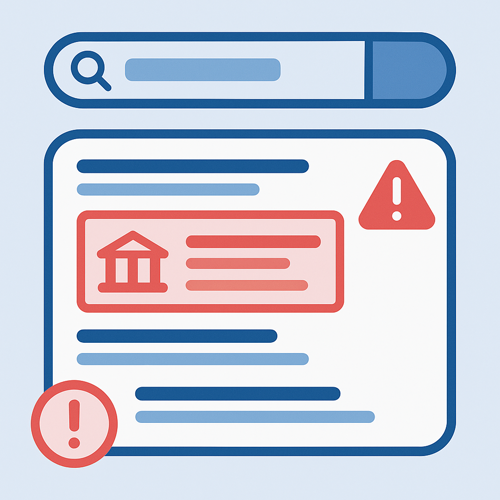
What happened (plain English): The FTC warned that some businesses pay for ads that appear at the top of search results and look like official government health-insurance sites. These lookalike pages can target people searching for health insurance or government programs like Medicare. The goal is to get people to share personal information, pay unnecessary fees, or sign up for misleading services.
Why it matters to you: Someone shopping for coverage could hand over personal details to the wrong site and end up with bad or misleading enrollment help. Fake official-looking sites can collect names, phone numbers, and other details that later fuel more scam calls and messages.
How to protect yourself (do this):
- Do not assume the first search result is the official one, especially if it is marked as an ad.
- Look for real .gov websites when you are trying to reach a government health program.
- Before entering personal information, double-check the web address and compare it with the official site you typed in yourself.
Published: 2026-06-09
Source: FTC Consumer Advice
Grandma’s Firewall

This week’s simple rule: If a screen, caller, or search result tells you to do something unusual fast, stop first. Real companies and government offices do not make you run computer commands, pay sudden fines, or trust the first ad you see.
Two scripts you can steal:
- I’m going to close this, and I’ll contact the real office from a phone number or website I look up myself.
- I don’t follow surprise computer instructions or rush payments from calls, texts, pop-ups, or ads.
Share this: Forward to someone who needs the reminder that urgent pop-ups, calls, and search results can all be traps.
Philip | Human In[Security]
![Human In[Security] Die-cut stickers](https://humaninsecurity.com/wp-content/uploads/2026/01/die-cut-stickers-satin-6x6-front-697d1d26150e0-300x300.jpg)
![Human Network In[]Security Cotton Heritage MC1082 I Men's Premium Short Sleeve Tee](https://humaninsecurity.com/wp-content/uploads/2026/01/cotton-heritage-mc1082-i-mens-premium-short-sleeve-tee-vintage-white-front-697d1df2a58b4-300x300.jpg)
![Official Human In[Security] Unisex Hoodie](https://humaninsecurity.com/wp-content/uploads/2026/01/cotton-heritage-m2580-i-unisex-premium-pullover-hoodie-carolina-blue-front-697d24c26e85b-300x300.jpg)